
It is common for people to store up material possessions to feel at peace and comforted and to give them a sense of security, whether it’s material wealth like a house, a vehicle, or land ownership. There are also things people cling to, like collecting video games, guns, comic books/graphic novels, tools of any kind, and even bottle caps; money is also a form of material wealth, and it ensnares just as bad. There are many material things people cling to in an effort to feel complete, with millions of people being seduced to trust in their belongings, but is this what God wants from us? I’m going to go over some points on things about materialism and how a hunger for God diminishes our desire of it.
In this modern day and age, ever since the invention of technology, we as humans are not able to be fully satisfied with our belongings; we always want the newest phone or car, and when it wears out, we get a newer one, and so forth. In the United States, where I live, materialism is very popular, and it is often very destructive to moral integrity and conduct. During the holidays, when materialism thrives even more, we tend to fill our shopping carts with the hottest stuff and spend ludicrous amounts of money for our loved ones, such as our kids (if we have them) and other relatives. While there’s nothing wrong with giving gifts to people, as they can be given from the heart or in a charitable sense, there is something wrong with the over-indulgence of spending large amounts of money to store up and make idols out of things that will not last forever. We’re going to go over the points I mentioned and how vain it is to hold onto our belongings. Let’s get started!
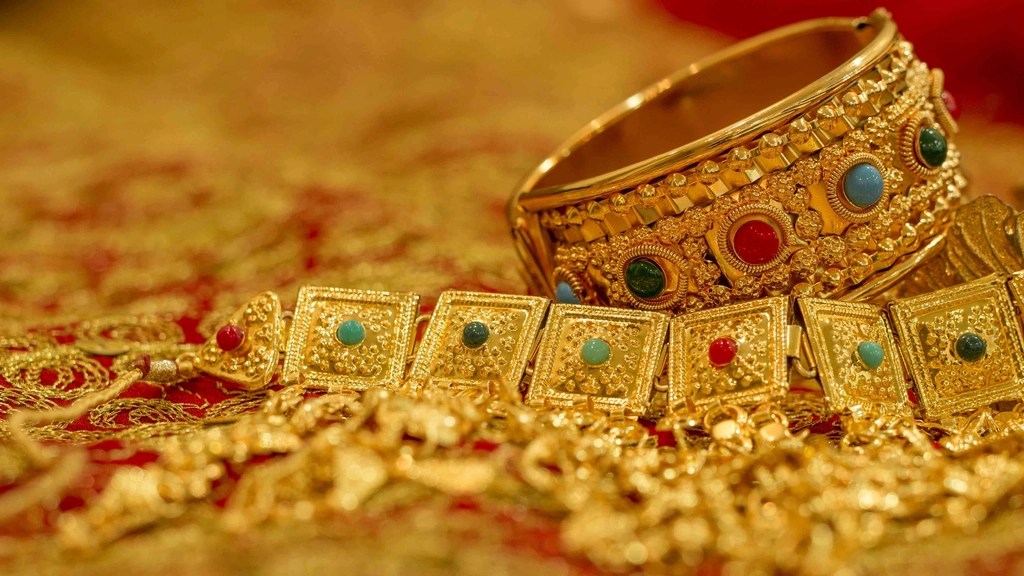
1. Are material things bad in of itself?
There is no doubt that some material things that we have are things that we need; we need money to support ourselves (cash, checks, etc.), we need a house for shelter, a vehicle for transportation, etc. These are some of the main things that we need for the life we live here in the 21st century, but what about the ancient biblical times? What did they need?
Materialism in biblical times primarily referred to having ownership of land, livestock, gold, silver, etc. People would use these possessions for trade and to make a living, but are these material things bad in of itself? Gotquestions.org makes mention that while material things themselves aren’t bad, the obsession of placing them above God is committing idolatry and can have us be tricked into caring for things that will not last (https://www.gotquestions.org/materialism-Christian.html). We can see that even though it’s not bad to have ownership of material things, as God gave us things in this world to enjoy, it is our attitude towards material things that determines if our heart is in the right place.
In the 21st century, we live in a world where things are getting really expensive. Houses, vehicles, and luxurious possessions are rising in price, and it’s obvious that we need some of these things to live in this world, but the point I’m trying to make is that we can even cling to these things that we need and have the wrong attitude towards it. Matthew 6:21 makes mention that whatever we focus on will be our attitude towards it, in other words, whatever we desire in our lives, we will put a higher emphasis on it to give it more attention. It is in vain to cling to material things, to have the wrong attitude about having them, which leads to the next point:
2. What attitude should I have to my material things?
The best attitude to have towards material things is recognizing that the things of this world don’t even belong to us anyway. The Scriptures teach overall that every good thing comes from God, things like a house and a vehicle for transportation, things we may need to survive while we wait for the Lord’s return.
Job makes mention that he came into this world with nothing and will depart it with nothing (Job 1:21). Job was blessed more than anyone with having a wife, multiple children, more livestock and land than anyone in the region that he lived in (the land of Uz (most likely modern day southern Jordan)), but he knew that to cling with these material things was vanity; it was meaningless to cling to them. Job ended up being tested by losing his home, livestock, all his grown children, having his physical health in shambles, but in the end he knew who his God was and kept the faith, albeit he had an encounter with the Almighty Himself in the form of a whirlwind (Job 38-42(theophany)). God restored Job with giving him more children than what he had before, with a plentiful amount of livestock, and he serves as an example that we don’t need to cling to our material things, but to know who our God is and cling to Him.
The lesson of the account of Job is that we need to know who our God is and to not cling to these material things we have, whether it be things we need or things we want. It’s important that we know who our God is in order to not hold dear the things of this life, which leads to our next point:
3. How can I know God better?
Knowing God is similar to knowing someone here on Earth; you spend time with Him. To spend time with Him is to pray to Him, to read the Bible and study it, to spend time with other believers, and last but not least, to trust in Him.
God, as Scripture points out, is relational and made us to have fellowship with Him, and He wants us to grow in Him. It is obvious that we are to do the things mentioned above (reading and studying Scripture, praying to God and trusting in Him, etc.), but it is also a matter of being consistent with doing them. Any relationship we have with people requires attention and effort, and it is no different than having one with God.
The thing about a relationship with God is like one with a person here on Earth, the more we get to know them by spending time with them, the deeper the relationship gets. With knowing who our God is, we will have a different focus, where instead of worrying about keeping up with our homes or trying to have the best vehicle, or even minor material things we may have, we will instead have such a deep focus on God that despite our obsessions with our material things, we will have a shift in the right direction. The world has many distractions, and materialism is one of them, but when we are concerned about God and His kingdom, we tend to not worry so much about how much we can collect and store here on Earth or having the hottest new items. We can see that it is possible to shift focus to God and not stress over the things of this world.
Sometimes when we are getting closer to God, we tend to give things away in an act of charity or sacrifice. If we are led by the Holy Spirit to give away things, we are able to not cling to these possessions that we have, but some of them we need; we need a place to stay and a vehicle to drive to places, but we don’t need the things that are considered luxury items and not the essentials. Like in my first point, having material things isn’t bad in of itself, but if you come to the point where you make idols out of them, giving them away can be a good way to overcome it which leads to my final point:

4. How do I know when I am prioritizing possessions over God?
The best way to know if you are making idols out of your non-essential possessions is to determine what you focus on more often, and if you are spending time with the Lord or neglecting Him.
It is a question that only you and God can answer; God already knows where your heart is towards Him, but He has given us His Word to read and study, and Scripture talks about not putting your trust in earthly treasures that can get destroyed, but to put trust in Him and store up treasures in eternity (Matthew 6:19-21). In Jesus’s Sermon on the Mount, He points out to not focus on material things that have no eternal value, but to focus on doing the works for the kingdom of heaven that actually have real eternal value; it will determine where our heart truly lies, and He doesn’t want us to focus so much on these earthly things. Scripture makes it very clear that this current world is fading, and soon a new earth and a new heaven will be made, which means making idols out of these things is useless in the end.
If you’re not sure if you’re making an idol out of something, praying to God can be a way for clarification. Speak your concern to Him, and be patient on how He chooses to respond, whether it’s through His Word or other people. If He’s convicting you of something, and you know for a fact that He is convicting you, that may be a sign that He’s wanting you to get rid of some things, if you’re making idols out of them, which means putting your trust in them instead of God. If you’re keeping your trust in God and not in material things, and you consistently spend time with Him and focusing on Him throughout the day when you can, that is a sign you aren’t making idols out of your material things. Scripture is clear that we are not to love the things of this current world, but if we maintain focus on the Lord and continue to seek Him, your heart will be in the right place.
How does a hunger for God cure materialism?
The Scriptures teach overall that mankind is searching for something to fill them, whether it be status, money, fame, or material things, and that only God can fill them (Psalm 107:9, John 6:35).
When a man or woman becomes born again, they are given a new nature that is Spirit filled and doesn’t pertain to the flesh; although we will still have battles with the flesh (the old selfish sinful nature), living for God shifts our focus, and the things we were hungry for here (material things, popularity, financial riches, goals and desires, etc.), we now have a hunger for the Lord.
Every human has a certain level of seeking, seeking for something to fulfill them, and when they come to be born again, they are filled. Once a person is found and no longer lost, it is not the end of them seeking God; the Scriptures teach that we must seek God diligently and rest in Him; it points that Jesus fulfills the hunger and thirst a person has, seeking what they are looking for (Matthew 5:6).
The key is to seek after God continuously after becoming born again and keeping the focus on Him as we navigate through this world. Having a kingdom centered focus will turn things upside down, where instead of focusing on material things, there is a shift on what you’re placing first in your life. God honors those who hunger and thirst for righteousness, and as Matthew 5:6 makes mention, they will be filled. When you choose to pursue the things of God, He will do great wonders in you, where you will reach the point where you don’t have the fears and concerns of this life, regarding material things you want or need; He will help you focus on what you can’t see, which is Him, and He will help you come to the conclusion that it is truly in vain to obsess over material objects.
Conclusion: What is more important to you?
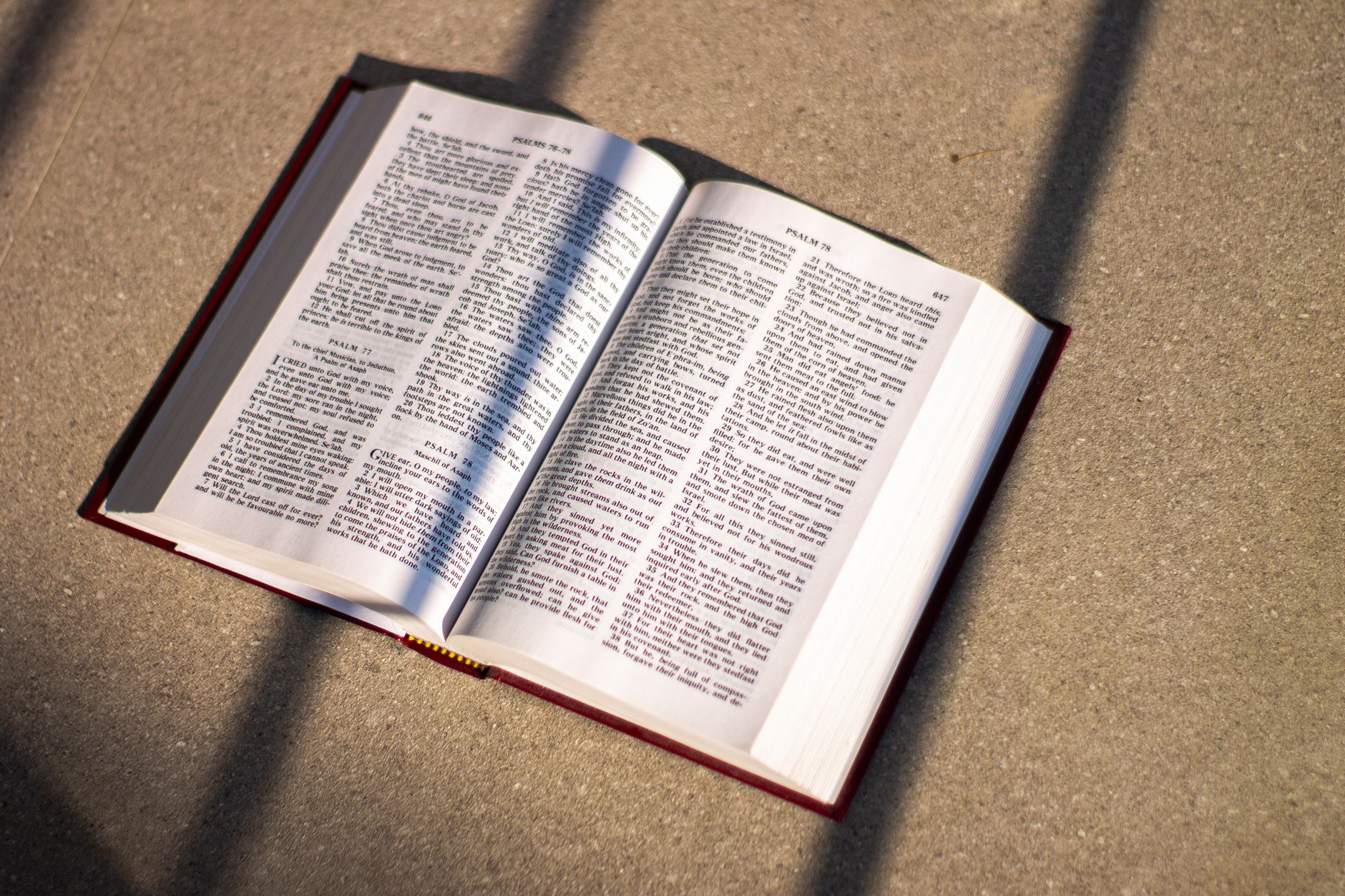
The main theme of this article can be summed up like this: what is more important to you? Do you value a relationship with the Lord, or do you focus more on the possessions you have? Do you worry about keeping up with your house, your vehicle, and all of those expenses, or do you give thanks that God lets you have them? Only you can answer these questions.
Having a relationship with the Lord Jesus is so much more fulfilling than surrounding yourself with things of material wealth, and He offers you the opportunity of a lifetime. When you grow in your walk with the Lord and focus on His kingdom, waiting for His return, you will truly come to realize that it is in vain to obsess and make idols out of these things that so many spend so much time with, “worshipping” them in a sense. You will see that God is worth so much more than the stresses of guarding your wealth and treasures, and eventually, you get to the point where you’re not even concerned about these objects – you have Him on your mind and remember to keep Him first.
We can truly say that at the end of the day, it is in vain to obsess over earthly treasures, for the treasures of heaven and eternal rewards are everlasting, which bring glory to God, and for that we can say “Amen”.
 Through My Own Eyes: A Blog About Biblical Topics
Leave a comment